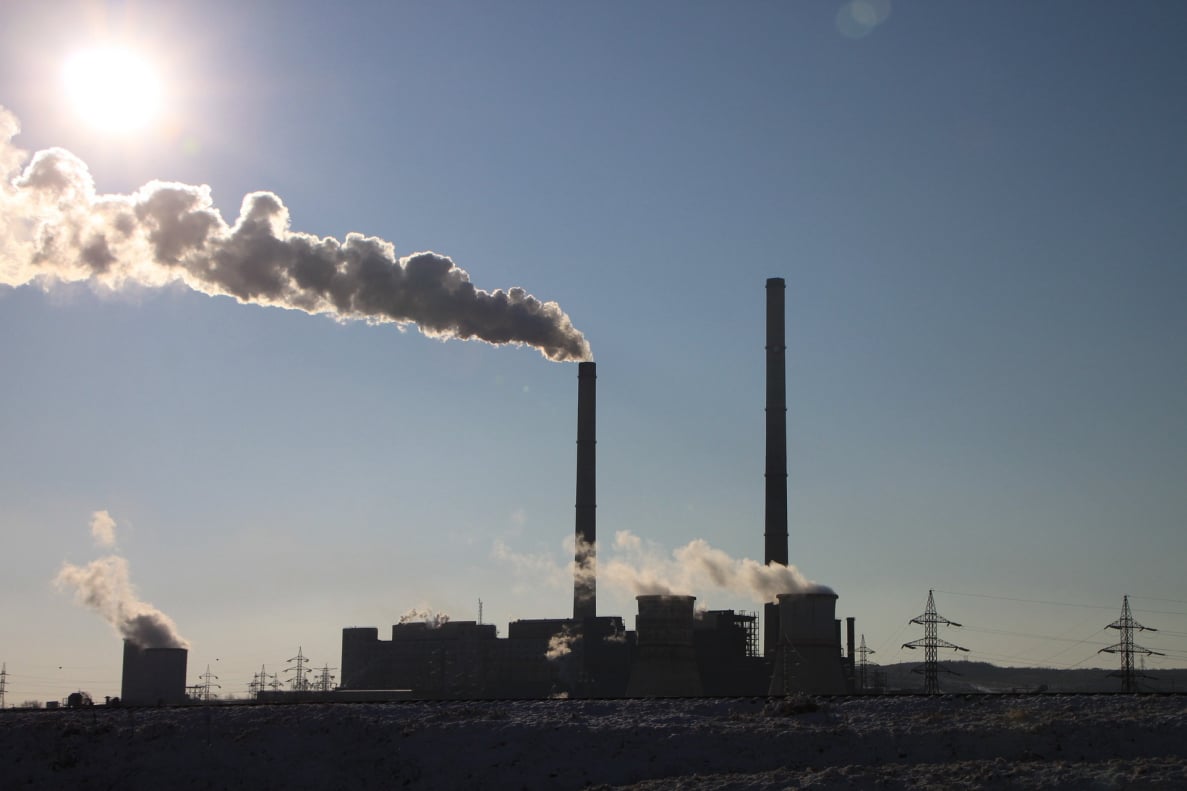
In the global scenario, it is estimated that the demand for carbon credits could increase 15 times or more by 2030, and 100 times by 2050. McKinsey forecasts that the carbon credit market should jump from around US$ 1 billion in 2021 to at least US$ 50 billion by 2030.
Source of information
Demand for carbon credits
The demand for carbon credits could increase 15 times or more by 2030 and up to 100 times by 2050. The regulated carbon market reached the global mark of US$ 950 billion in 2023 and could reach US$ 4.7 trillion by 2030.
Economic impact
The regulation of the carbon market could boost GDP by 5.8% between 2030 and 2040.
Brazil's potential
Brazil could generate revenues of up to US$ 120 billion from the carbon market by 2030. The country could meet half of the demand for carbon credits by 2030. Brazil's goal Brazil has a goal of reducing carbon emissions by 53% compared to 2005 levels by 2030. The country has committed to achieving carbon neutrality by 2050.
The carbon credit market works as follows : Each company has a set limit for emitting greenhouse gases. Companies that emit less are awarded credits, which can be sold to those that have exceeded the limit. One carbon credit is equivalent to 1 ton of carbon dioxide, or other gases, that is no longer emitted into the atmosphere.

Methane is believed to be responsible for about 30% of global warming since pre-industrial times. Data from the US National Oceanic and Atmospheric Administration indicate that atmospheric methane levels have soared during the COVID-19 pandemic, even as carbon dioxide emissions have been significantly reduced by the slowdown in economic and industrial activity in 2020.
The good news is that there are actions that can be taken to reduce methane levels at no or low cost, providing significant economic benefits for governments and businesses and restoring safe conditions for the health of populations.
According to the UN, greenhouse gas emissions continue to rise, and are 50 percent higher than 1990 levels. Based on current national climate plans, global warming is expected to reach about 3.2°C by the end of the century. Emissions come from all parts of the world and affect everyone, but some countries produce much more than others.
The 100 lowest-emitting countries generate 3 percent of total emissions. The 10 countries with the highest emissions contribute 68 percent. The average annual loss from earthquakes, tsunamis, tropical cyclones and floods amounts to hundreds of billions of dollars, requiring an investment of six billion dollars annually in disaster risk management alone.
The second gas that contributes most to the greenhouse effect (GHG) is methane, 86 times more present in the atmosphere over 20 years than carbon dioxide. Most emissions come from the energy sectors (35%), especially the burning of oil and gas; from agriculture (40%), as well as from bacteria that digest rice husks in crops; and organic waste discarded irregularly (20%). Animal emissions—from manure and gastroenteric releases—are responsible for about 32% of human-caused methane emissions.
No Code Website Builder
Follow our Networks
Instagram
@co2tokenbrasil
Facebook
@co2tokenbrasil
YouTube
@co2tokenbrasil
TikTol
@co2tokenbrasil